
Soil salinity and agricultural drought represent primary yield constraints across arid and semi-arid horticulture. This ongoing research program at EYLab Atauni investigates exogenous priming agents, humic biostimulants, antioxidant modulation, and mineral nutrient homeostasis to sustain photosynthesis and seedling vigor under combined abiotic stresses.
Project Metadata & Leadership
| Field | Details |
|---|---|
| Research Group | EYLab Atauni – Department of Horticulture, Atatürk University |
| Principal Investigators | Prof. Dr. Ertan Yıldırım, Prof. Dr. Melek Ekinci |
| Sponsor / Funding | National Competitive Research Grant & Atatürk University BAP |
| Status | Ongoing |
| Target Crops | Solanum lycopersicum (tomato), Capsicum annuum (pepper), Cucumis sativus, Phaseolus vulgaris |
Core Research Objectives
- Quantify gas exchange (net photosynthesis, stomatal conductance, transpiration) and PSII photochemical efficiency (Fv/Fm) across salt and deficit-irrigation gradients.
- Evaluate reactive oxygen species (H2O2, O2-) scavenging, MDA lipid peroxidation, and CAT, POD, and SOD enzyme activation following biostimulant priming.
- Track ABA, IAA, GA3, and SA phytohormone shifts alongside K+/Na+ ionic selectivity in shoots and roots.
Experimental Approach & Analytical Methods
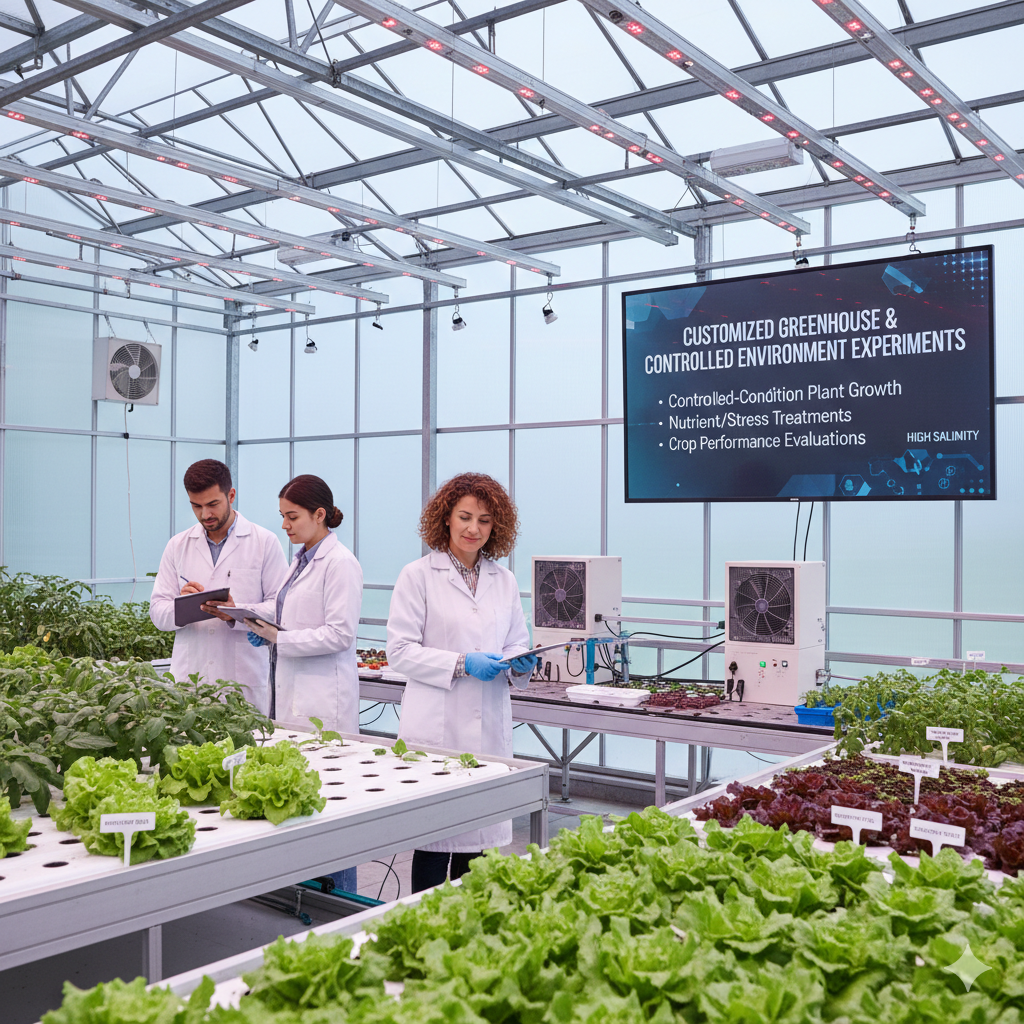
Controlled greenhouse pot trials and growth-chamber assays pair dose-response treatments (amino acids, nitric oxide/H2S donors, PGPR consortia, and humic compounds) with spectrophotometric antioxidant profiling and ICP-OES elemental analysis, translating bench discoveries into practical horticultural crop management guidelines.
More from
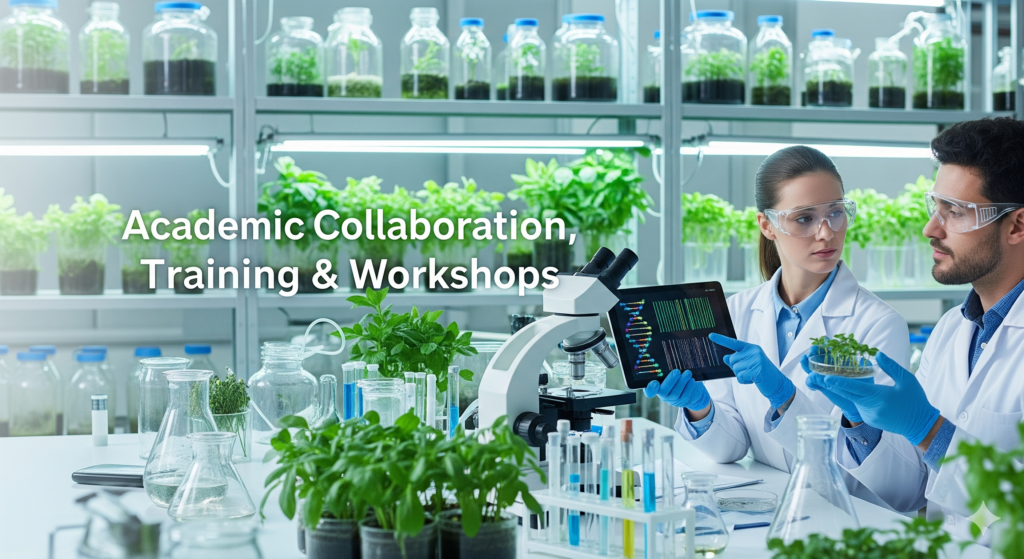
Call for MSc, PhD & Visiting Researchers – Join EYLab Atauni
Read Article →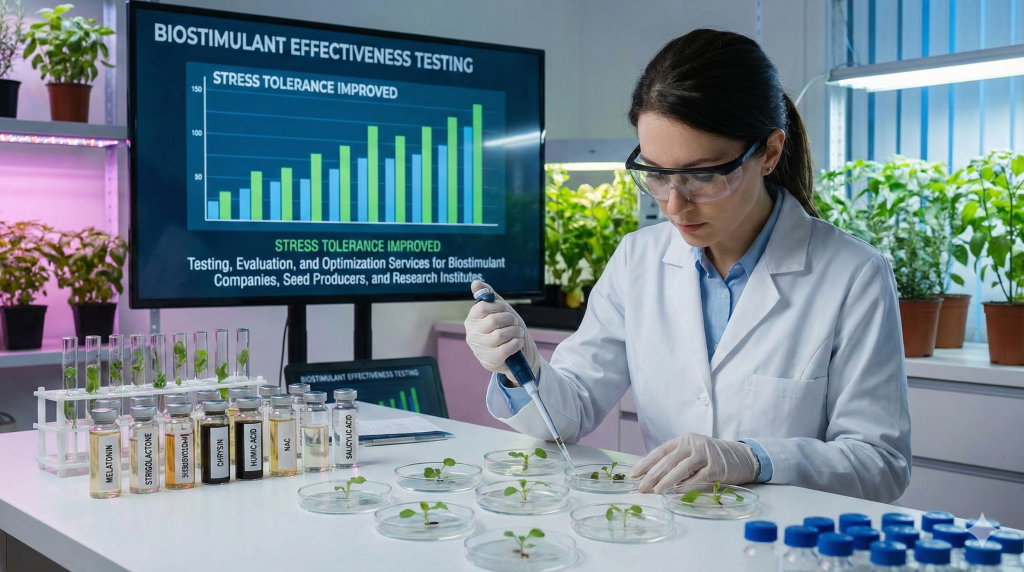
Strigolactone mitigates nickel toxicity by regulating nutrient uptake, antioxidant defense, vitamins and phytohormones biosynthesis in pepper seedlings
Read Article →