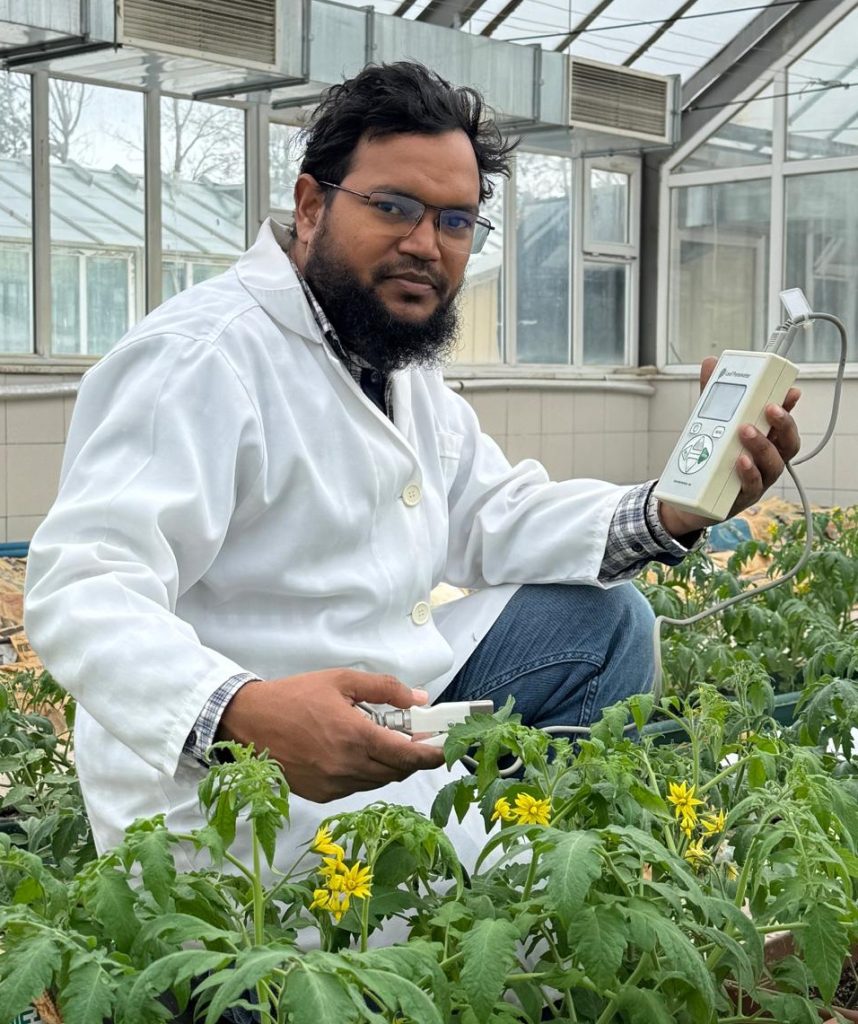

Valorizing regional lignocellulosic residues such as hazelnut shells into pyrolysis-derived biochar improves soil cation exchange capacity, water retention, and rhizospheric microbial habitat. This project examined soil biochar incorporation across vegetable and legume systems under moisture deficit and heavy-metal stress.
Project Metadata & Leadership
| Field | Details |
|---|---|
| Research Group | EYLab Atauni – Department of Horticulture, Atatürk University |
| Principal Investigators | Prof. Dr. Ertan Yıldırım, Prof. Dr. Murat Aydın |
| Sponsor / Funding | Atatürk University Scientific Research Projects (BAP) |
| Status | Completed (Ongoing Follow-up Trials) |
| Core Amendments | Hazelnut-shell biochar, enriched organic substrates, microbial co-inoculants |
Core Research Objectives
- Characterize optimal biochar application rates (0% to 5% w/w) for water retention and nutrient bioavailability in calcareous soils.
- Measure root architecture enhancement, relative water content (RWC), and proline accumulation under drought stress.
- Assess cadmium and salinity immobilization capacity of pyrolysis amendments in vegetable and forage seedlings.
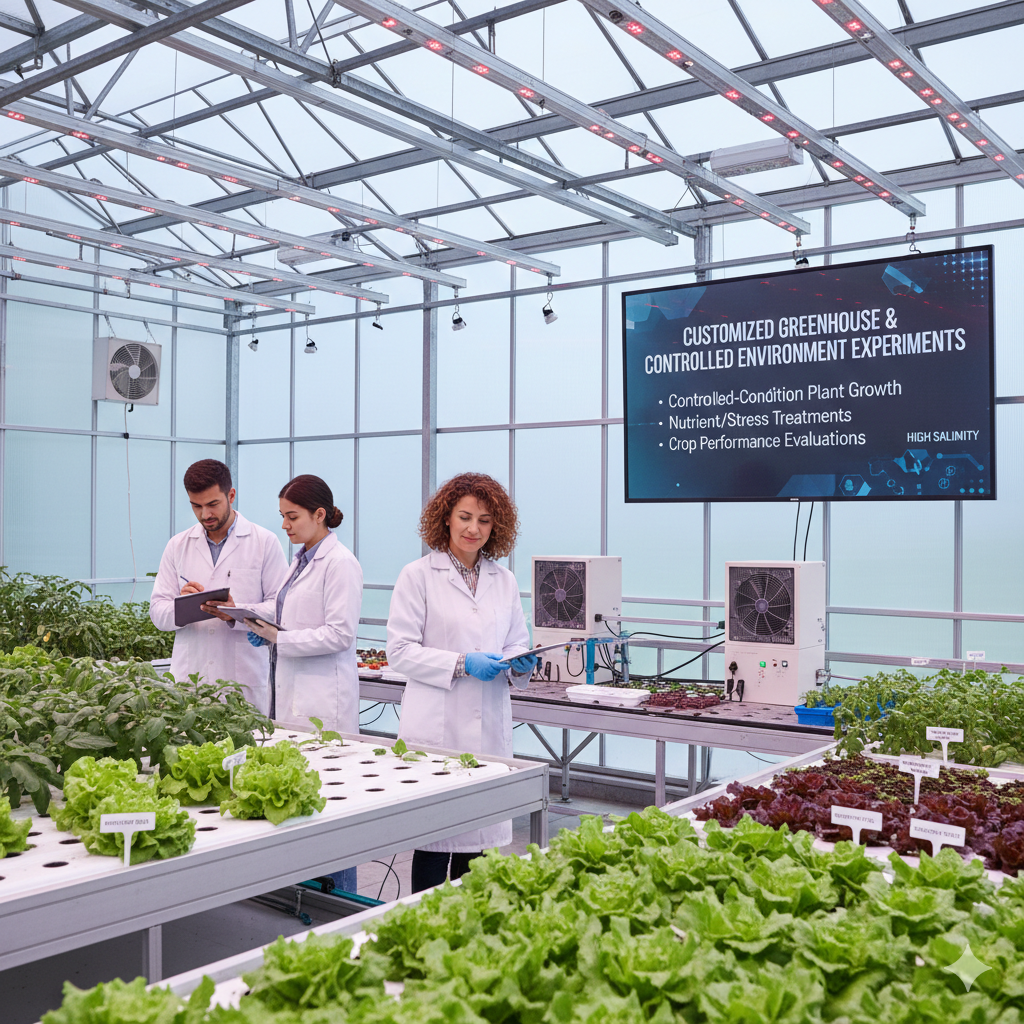
Experimental Approach & Analytical Methods
Greenhouse substrate amendment experiments demonstrated that hazelnut-shell biochar buffered substrate moisture dynamics, reduced membrane permeability damage, and improved nutrient uptake efficiency while establishing baseline protocols later cited in peer-reviewed Q1 studies.