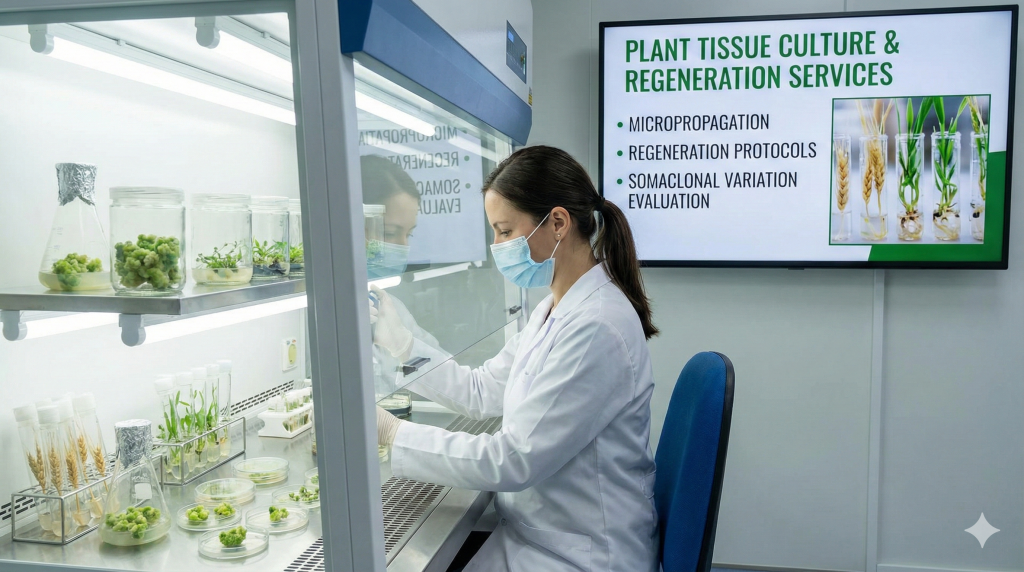

Bridging field physiology with molecular genetics, this research line characterizes stress-responsive gene families, transcription factors, microRNA modules (including miR172), retrotransposon dynamics, and epigenetic variation in Phaseolus vulgaris, wheat, chickpea, tomato, and pepper under heavy metal and osmotic challenges.
Project Metadata & Leadership
| Field | Details |
|---|---|
| Research Group | EYLab Atauni & Department of Agricultural Biotechnology, Atatürk University |
| Principal Investigators | Prof. Dr. Murat Aydın, Doç. Dr. Esma Yiğider |
| Funding / Framework | EU FP7 Collaboration & University Grants |
| Status | Ongoing |
| Core Tools | In silico genome mining, qRT-PCR expression, SSR/ISSR/iPBS molecular markers |
Core Research Objectives
- Conduct genome-wide identification, phylogenetic classification, conserved motif mapping, and promoter cis-element analysis of stress gene families.
- Validate tissue-specific transcriptional regulation via quantitative real-time PCR (qRT-PCR) across exogenous chrysin, dopamine, acetylcholine, and glutathione treatments.
- Assess somaclonal variation and epigenetic stability (methylation-sensitive amplification polymorphism) across tissue-cultured regenerants.
Experimental Approach & Analytical Methods
Computational bioinformatics pipelines are integrated directly with wet-lab RNA extraction, cDNA synthesis, and molecular marker assays on stressed leaf and root tissues collected from EYLab Atauni controlled-environment trials.
More from
Physiological, Morphological and Biochemical Responses of Exogenous Hydrogen Sulfide in Salt Stressed Tomato Seedlings
Read Article →
Biochar derived from hazelnut shells mitigates drought stress on soybean seedlings
Read Article →