
Dr. Sadia Hakeem is an accomplished plant breeder and geneticist collaborating closely with EYLab Atauni while serving as Scientific Officer at the Cotton Research Institute (CRI), Multan. Recognized internationally for uncovering how leaf surface structures enable wheat to harvest atmospheric fog for self-irrigation and advancing iron, zinc, and vitamin C biofortification, she brings distinctive nutrigenomic and climate-smart breeding expertise to EYLab Atauni’s joint stress-physiology projects.
Dr. Sadia Hakeem: Researcher At a Glance (EYLab Atauni)
| Profile Field | Verified Details |
|---|---|
| Academic Role | Scientific Officer (CRI Multan) & Collaborating Researcher: EYLab Atauni |
| Education | B.Sc. (Hons.) & M.Sc. (Hons.) (Distinction, Silver Medalist) · Ph.D. Plant Breeding & Genetics (MNSUAM, 2024) |
| International Fellowships | PM’s Initiative Fellow (SWUST, China 2025–26) · DAAD Biodiversity+ Scholar (Universität Kassel, 2022) |
| Research Specialization | Wheat Self-Irrigation Architecture, Fe/Zn Biofortification, Nutrigenomics & Sea-Buckthorn Genomics |
| Scholarly Output | 15+ Peer-Reviewed Articles · Venture Spark 2024 Special Prize · Reviewer for PeerJ & PJAS |
| ORCID & Scholar | ORCID: 0000-0002-3932-9013 · Google Scholar: A-RJaPIAAAAJ |
Academic Honors & International Research Fellowships
Dr. Hakeem earned all three degrees: her B.Sc. (Hons.) in Agriculture (2014–2018), M.Sc. (Hons.) in Plant Breeding & Genetics (2018–2020, First Position Silver Medalist), and Ph.D. in Plant Breeding & Genetics (2020–2024): with distinction at MNS University of Agriculture, Multan. At CRI Multan, she currently directs field hybridization trials and establishes gene-mining and genome-editing capabilities for cotton pest tolerance.
Her international training spans a DAAD Biodiversity+ Research Scholarship (2022) at Universität Kassel, Germany, and a PM’s Initiative Genomics Fellowship (2025–2026) at SWUST, China, alongside winning the Special Prize at Venture Spark 2024 and contributing to IOFS food-security publications.
Scientific Research Themes & Collaboration with EYLab Atauni
Spanning field breeding, morphological biomechanics, and co-authored abiotic stress studies with EYLab Atauni scientists, Dr. Hakeem focuses on:
- Air-Moisture Harvesting & Arid-Zone Adaptation: Investigating leaf wettability, prickle hairs, longitudinal grooves, and leaf rolling in wheat as natural self-irrigation mechanisms for water-scarce climates.
- Nutrigenomics & Underutilized Biodiversity: Mapping micronutrient-linked candidate genes (iron, zinc, vitamin C) across sea-buckthorn (Hippophae rhamnoides) accessions and cereal germplasm via GAPIT, TASSEL, and QTL IciMapping.
- Horticultural Stress Co-Studies at EYLab Atauni: Co-authoring recent experimental studies evaluating humic and fulvic acid stress mitigation under flooding and waterlogging in lettuce and eggplant.
Selected Peer-Reviewed Publications
With 15+ peer-reviewed articles in international journals including BMC Plant Biology, Scientific Reports, Frontiers in Plant Science (co-authored family work), and Planta, highlighted publications include:
- Hakeem, S., Saddique, M. A. B., Wiehle, M., & Ali, Z. (2026). Phenotypic and molecular analysis of seabuckthorn accessions reveal promising genotypes and candidate genes associated with micronutrients. BMC Plant Biology, 26(1), 1025.
- Turan, M., Ekinci, M., Hakeem, S., Ors, S., Yigider, E., Aydin, M., … (2026). Humic and Fulvic Acid Induce Distinct Growth Recovery and Stress Acclimation Responses for Flooding Tolerance in Lettuce. Sustainability, 18(18), 9511.
- Ors, S., Ekinci, M., Turan, M., Hakeem, S., Yigider, E., Aydin, M., … (2026). Humic Substances Enhance Waterlogging Tolerance in Eggplant Through Differential Regulation of Redox Homeostasis and Nutrient Acquisition. Horticulturae, 12(8), 974.
- Hakeem, S., et al. (2023). Leaf wettability and leaf angle affect air-moisture deposition in wheat for self-irrigation. BMC Plant Biology, 23, 115.
- Hakeem, S., et al. (2021). Leaf prickle hairs and longitudinal grooves help wheat capture air moisture. Planta, 254, 18.
UN Sustainable Development Goals Contribution
Dr. Hakeem’s work tackles hidden hunger via Zn/Fe crop biofortification (SDG 2: Zero Hunger), builds self-irrigating cereal architecture for water-scarce regions (SDG 13: Climate Action), and conserves underutilized mountain species such as sea-buckthorn (SDG 15: Life on Land).
Explore Full Profile, Lab Capabilities & Collaboration
- Dedicated Scientist Profile: Dr. Sadia Hakeem: Full Scientist Profile Page
- Related Lab Capability: Crop Improvement & Biotechnology Consulting
- Research Group: EYLab Atauni Research Team Directory
- ORCID: https://orcid.org/0000-0002-3932-9013
- Google Scholar: https://scholar.google.com/citations?user=A-RJaPIAAAAJ
More from EYLab Atauni

Researcher Spotlight: Shoaib Haider | YTB Scholar Investigating Salinity & Drought Physiology at EYLab Atauni
Read Article →
EYLab Atauni Launches Upgraded Bilingual Digital Research Portal
Read Article →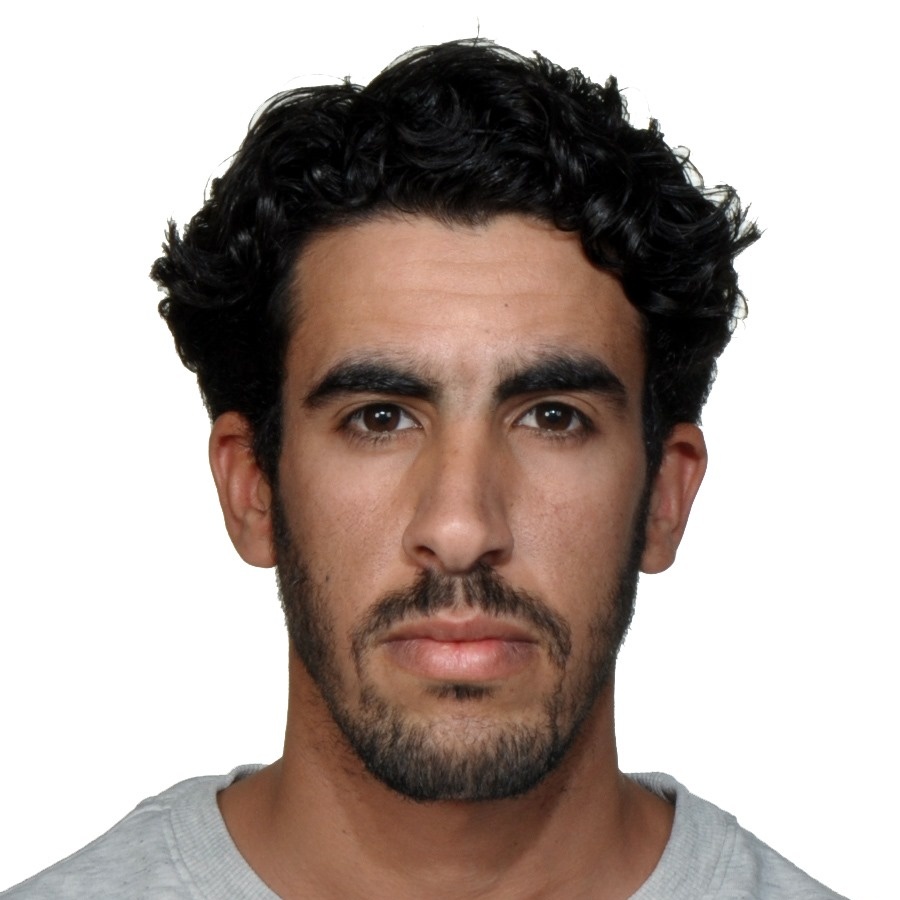
Researcher Spotlight: Ahmed Abdallah Salem Selmy | Tomato Seedling Hardening & Drought Physiology at EYLab Atauni
Read Article →Related Research & News

Researcher Spotlight: Prof. Dr. Ertan Yıldırım | Leading Horticultural Stress Physiology & Sustainable Crop Production at EYLab Atauni
Read Article →
Researcher Spotlight: Prof. Dr. Metin Turan | Microbial Bio-Fertilizers, PGPR & Sustainable Soil Health with EYLab Atauni
Read Article →