
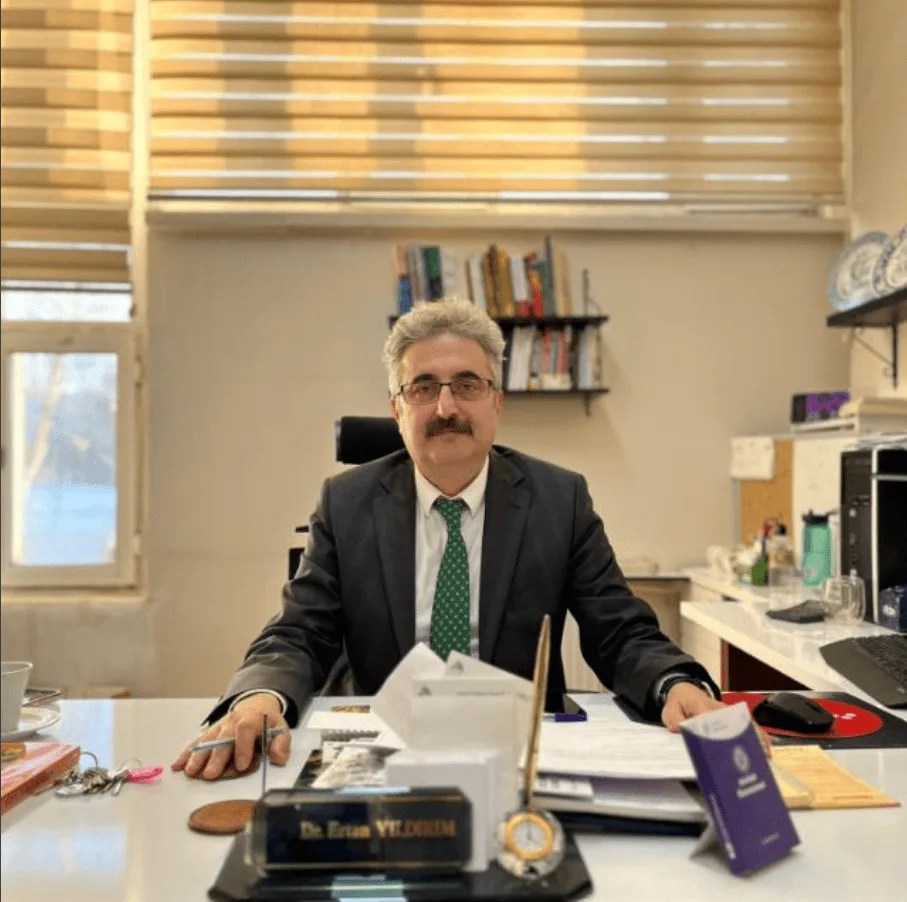
Prof. Dr. Ertan Yıldırım serves as Principal Investigator and Founder of EYLab Atauni within the Department of Horticulture, Faculty of Agriculture, Atatürk University in Erzurum, Türkiye. Renowned internationally for groundbreaking work in vegetable growing, crop breeding, plant stress physiology, and biostimulant engineering, Prof. Yıldırım has built a high-impact research ecosystem dedicated to climate-resilient horticultural production.
Prof. Dr. Ertan Yıldırım: Researcher At a Glance (EYLab Atauni)
| Profile Field | Verified Details |
|---|---|
| Academic Title | Professor (Prof. Dr.) & Head of Research Laboratory: EYLab Atauni |
| Department & Institution | Department of Horticulture, Faculty of Agriculture, Atatürk University |
| Research Specialization | Vegetable Growing & Breeding, Plant Stress Physiology, Biostimulants & Phytohormones |
| Scholarly Metrics | 422 Publications (138 WoS · 142 Scopus) · 9,267 Google Scholar Citations (h-index: 49) |
| Projects & Mentorship | 63+ Research Projects (National Funds, BAP, Ministry) · 32 Supervised Postgraduate Theses |
| National & University Recognition | AD Scientific Index 2025: 10th of 1,298 at Atatürk University · 538th in Türkiye |
| ORCID & Scholar | ORCID: 0000-0003-3369-0645 · Google Scholar: 3uCEo_wAAAAJ · Scopus: 8720757200 |
Academic Career & Leadership at Atatürk University
Prof. Dr. Ertan Yıldırım completed all stages of his academic training across leading Turkish agricultural faculties, earning his B.Sc. in Horticulture from Atatürk University (1987–1991), his M.Sc. in Horticulture from Süleyman Demirel University (1994–1996), and his Ph.D. in Horticulture back at Atatürk University (1997–2003).
Rising steadily through the academic ranks: serving as Research Assistant (1998–2003) and Assistant Professor (2003–2007) at Atatürk University’s İspir Hamza Polat Vocational School, Associate Professor (2008–2013), and full Professor (2013–present) in the Department of Horticulture: he has established one of Türkiye’s most productive horticultural research groups. Alongside leading over 63 major scientific projects supported by competitive national funds, Atatürk University BAP, and the Ministry of Agriculture and Forestry, he has supervised 32 completed doctoral and master’s theses and teaches advanced graduate courses including Vegetable Seed Production, Plant Stress Physiology, and Protected Cultivation.
Core Research Pillars at EYLab Atauni
At EYLab Atauni, Prof. Yıldırım directs multidisciplinary studies that connect classical vegetable agronomy with biochemical, physiological, and molecular defense profiling:
- Abiotic Stress Mitigation in Vegetables: Investigating how drought, salinity, heavy metals, waterlogging, and combined temperature stresses disrupt membrane stability, photosynthetic capacity, and reactive oxygen species (ROS) balance in pepper, tomato, cucumber, eggplant, lettuce, and common bean.
- Biostimulants & Signaling Molecules: Demonstrating how exogenous applications of foliar salicylic acid, glutathione, methionine, dopamine, humic and fulvic substances, amino acids, and beneficial rhizobacteria reprogram crop stress resilience and improve mineral nutrition.
- Vegetable Breeding, Registered Varieties & Protected Cultivation: Developing resilient cultivars, optimizing greenhouse and seedling vigor, and advancing sustainable, low-input crop management strategies.
Patents, Registered Plant Varieties & Recent Publications
Beyond academic citations: totaling 9,267 Google Scholar citations (h-index: 49), 3,543 Web of Science citations (h-index: 32), and 4,290 Scopus citations (h-index: 35): Prof. Yıldırım’s work directly supports growers through registered intellectual property, including patented/registered bean and plant varieties (RAZİ-YE, ERTANFASÜLYE ÇEŞİDİ, HUMAFASÜLYE ÇEŞİDİ, and EYİCEFASÜLYE ÇEŞİDİ) and the registered trademark DADAŞTERETOHUM. He also serves as Editor for Frontiers in Horticulture (Plant Abiotic Stress), Special Issue Editor for Sustainability, and Committee Member for Heliyon.
Selected 2026 Peer-Reviewed Publications
- Ekinci, M., Yigider, E., Turan, M., Ors, S., Aydin, M., & Yildirim, E. (2026). Multilevel Analysis of Glutathione-Induced Responses in Pepper Seedlings Under Water-Deficit Conditions. Plants, 15(18), 2831.
- Ors, S., Ekinci, M., Turan, M., Hakeem, S., Yigider, E., Aydin, M., Akca, M., … & Yildirim, E. (2026). Humic substances enhance waterlogging tolerance in eggplant through differential regulation of redox homeostasis and nutrient acquisition. Horticulturae, 12(8), 974.
- Aydin, M., Cirik, S. O., Ekinci, M., Ucar, S., Yaprak, E., Yigider, E., Yildirim, E., … (2026). Methionine Enhances Growth and Stress Tolerance in Tomato Seedlings under Salinity Stress. Journal of Plant Growth Regulation, 1–24.
- Ucar, S., Yaprak, E., Ekinci, M., Yuce, M., Aydin, M., Turan, M., Yigider, E., Agar, G., … (2026). Effects of dopamine on reducing salt stress damage in pepper (Capsicum annuum L.) at morphological, physiological, biochemical, and molecular levels. Annals of Applied Biology, 189(1), e70118.
- Aslan, S., Ekinci, M., & Yıldırım, E. (2026). Biyostimulant uygulamalarının fasulyede fosforun yarayışlılığı ve verim üzerinde etkisi. Mustafa Kemal Üniversitesi Tarım Bilimleri Dergisi, 31(1), 14–27.
UN Sustainable Development Goals & Agricultural Impact
Prof. Yıldırım’s portfolio aligns strongly with five UN Sustainable Development Goals, anchored by 111 research activities under SDG 2 (Zero Hunger), 82 initiatives under SDG 15 (Life on Land), 14 circular-input projects under SDG 12 (Responsible Consumption and Production), 10 climate-resilience studies under SDG 13 (Climate Action), and 10 postgraduate mentorship programs under SDG 4 (Quality Education).
Explore Full Profile, Lab Capabilities & Collaboration
- Dedicated Scientist Profile: Prof. Dr. Ertan Yıldırım: Full Scientist Profile Page
- Related Lab Capability: Biostimulant & Phytohormone Testing Services
- Research Group: EYLab Atauni Research Team Directory
- ORCID: https://orcid.org/0000-0003-3369-0645
- Google Scholar: https://scholar.google.com/citations?user=3uCEo_wAAAAJ
- AVESİS (Atatürk University): https://avesis.atauni.edu.tr/ertanyil
More from EYLab Atauni
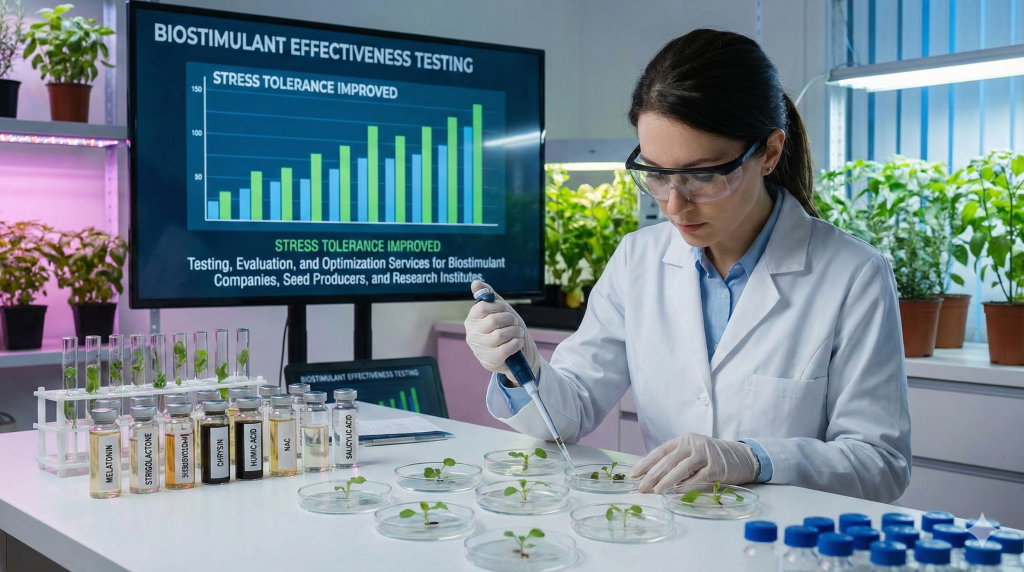


Related Research & News
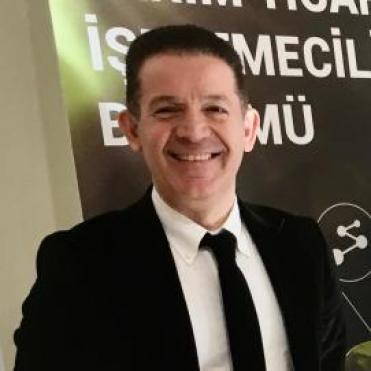
Researcher Spotlight: Prof. Dr. Metin Turan | Microbial Bio-Fertilizers, PGPR & Sustainable Soil Health with EYLab Atauni
Read Article →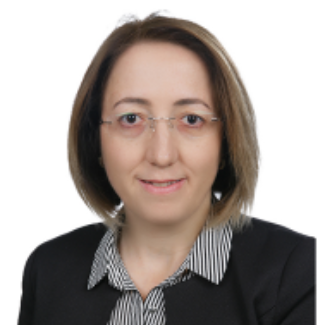
Researcher Spotlight: Prof. Dr. Melek Ekinci | Advancing Vegetable Seedling Resilience, Cold Plasma & Biostimulants at EYLab Atauni
Read Article →